
DENVER/June 24, 2026 — Morris Animal Foundation has awarded grants to 23 promising veterinary students from around the globe through the latest round of its Veterinary Student Scholar program. This program provides up to $5,500 in funding for mentor-guided research, encouraging students to pursue careers in animal health science and veterinary medicine.
Program Overview
The Veterinary Student Scholar program is open to students in good standing at accredited veterinary schools. It offers hands-on research experience, pairing students with expert mentors across a wide range of animal health disciplines. Since its inception in 2005, the program has supported more than 600 students.
“Every cohort of Veterinary Student Scholars reminds us that the future of animal health is bright,” said Dr. Kelly Diehl, DVM, MS, Dipl. ACVIM, Director of Scientific Programs at Morris Animal Foundation. “This group is tackling questions that matter across species and continents, from companion animals to wildlife, and we are proud to give these students the mentorship and support to turn their curiosity into discovery.”
Global Reach of Scholars
This round’s scholars represent veterinary programs across North America, Africa, Asia, Europe and Australia, underscoring the global importance of animal health research. Countries represented include Australia, Bangladesh, Ethiopia, the Netherlands, Nigeria and the United States.
Research Topics Spotlight
Projects span a broad spectrum of animal health issues, including infectious disease in dogs and cats, the welfare of working horses and donkeys, reproductive health in wildlife, antimicrobial resistance, cancer, and the effects of a changing environment on species ranging from bald eagles to sea turtles. Projects are slated to begin in 2026.
Morris Animal Foundation’s newest Veterinary Student Scholars are:
Halimat Adedeji – Molecular Characterization and Antimicrobial Resistance Profile of Salmonella Species from Captive Wild Carnivores in Nigerian Zoos, University of Ilorin, Nigeria
Cecilia Bartels – Lead Exposure in Wild Raptors of the Northeastern United States: A Focus on Bald Eagles in New Jersey, Rowan University
Grace Bates – The Impact of Rising Environmental Temperatures on Development and Success of Sea Turtle Hatchlings, The University of Tennessee
Hailu Beyene – Molecular Detection of Histoplasma capsulatum var. farciminosum from Epizootic Lymphangitis Lesions of Horses in Bishoftu, Ethiopia, Addis Ababa University, Ethiopia
Abigail Boss – Survey of Reproductive Disease in Callitrichidae and Potential Risk Factors, Michigan State University
Patrick Cowley – Defining Molecular Pathway Signatures in Canine Acute Myeloid Leukemia Using Bulk RNA-seq Data, Cornell University
Rayne Cranford – Effects of Intraovarian Autologous PRP Injection on Follicular Numbers and Oocyte Quality in Old Mares, Oklahoma State University
Madelyn Floyd – Identification of Risk Factors for Racehorses with Complex Arrhythmia, University of Minnesota
Md Rifayet Hossain – The Prevalence and Epidemiology of Gastrointestinal and Blood Parasites of Working Horses in Bangladesh: A Cross-Sectional Study, Chattogram Veterinary and Animal Sciences University, Bangladesh
Bryan Huseman – Atlas-Based Auto-Contouring to Streamline Radiation Therapy Planning for Canine Head-and-Neck Tumors, University of California, Davis
Innocent Ibrahim – Bridging the Data Gap: A Syndromic Surveillance and Early Warning System for Canine and Feline Rabies Clusters in Sokoto, Kebbi and Zamfara States, Federal University of Agriculture Zuru, Nigeria
Gabriella Kabakchieva – Vasopressin Stimulation Test as a Novel Method of Diagnosing Relative Adrenal Insufficiency in Critically Ill Horses, North Carolina State University
Yuri Kim – Characterizing Age-Related, Social and Hormonally Influenced Changes in the Testicle and Epididymis of Zoo-Housed African Painted Dogs (Lycaon pictus), Michigan State University
Peyton Kinavey – Assessing Genetic Diversity of Emydomyces testavorans in Chelonian Shell Disease, University of Florida
Rachel Lines – Owner-Reported Pre-Visit Pharmaceutical Use in Companion Dogs: A Quantitative Descriptive Survey, Cornell University
Eunice Mamman – Five Domains Welfare Assessment of Working Donkeys and Horses in Katsina State, Nigeria: Harness-Related Wounds, Dehydration Risk and Modifiable Owner and Work Factors, Ahmadu Bello University, Nigeria
Caitlin Millican – Dose-Outcome Relationships of Remdesivir and GS-441524 in Cats with Feline Infectious Peritonitis: A Retrospective Study, University of Sydney, Australia
Remco Nederlof – Evaluation of the Effectiveness of Etonogestrel Implants (Implanon NXT) in Captive Hamadryas Baboons (Papio hamadryas) in Wildlands Adventure Zoo Emmen, Utrecht University, Netherlands
Modupeoluwa Oladimeji – Molecular Epidemiology and Genetic Characterization of Canine Adenoviruses (CAV-1 and CAV-2) in Dog Populations of Kwara State, University of Ilorin, Nigeria
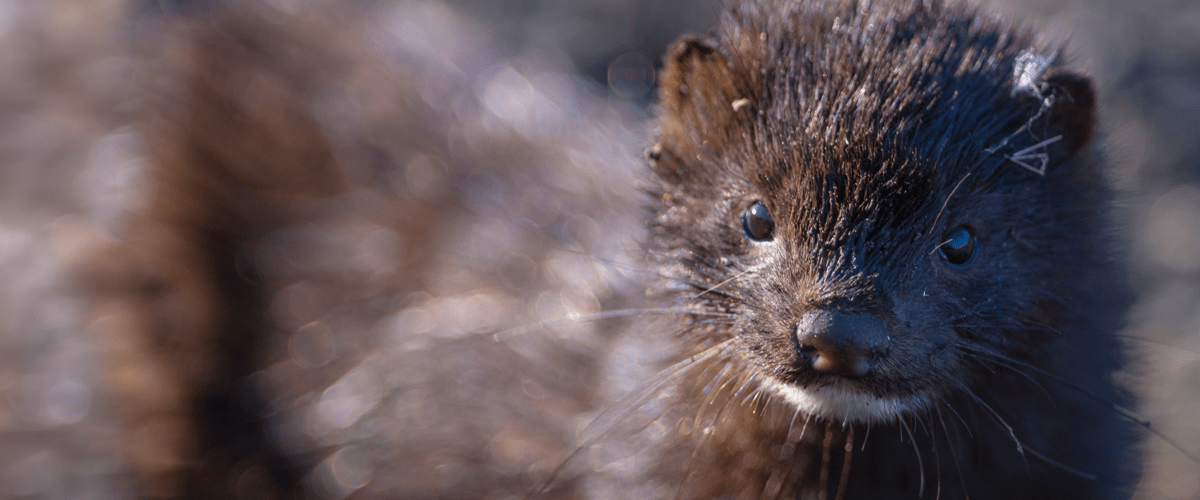
Isabel Piccinini – Exploring Inner Ear Morphology as an Indicator of Environmental Stress and Population Health in the American Mink, Midwestern University
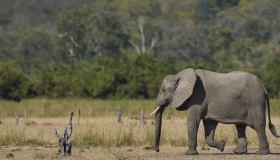
Hannah Swanson – Investigating Sublethal Anthrax Infections in African Buffalo (Syncerus caffer) of Kruger National Park, University of Minnesota
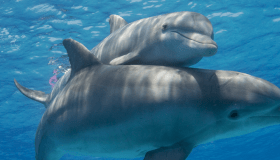
Avery Tilley – Population Pharmacokinetics of Intramuscular Midazolam in Bottlenose Dolphins (Tursiops truncatus), University of Georgia
Ashley Tkacz – Understanding Cat Owners’ Awareness, Perceptions and Barriers to the Use of Pre-Visit Pharmaceuticals for Reducing Stress During Veterinary Visits in Cats, University of Sydney, Australia
About Morris Animal Foundation
Morris Animal Foundation’s mission is to bridge science and resources to advance the health of animals. Founded in 1948 and headquartered in Denver, it is one of the largest nonprofit animal health research organizations in the world, investing more than $170 million in 3,200+ critical animal health studies to date across a broad range of species. Learn more at morrisanimalfoundation.org.
Media Contact: Lindsey Washington