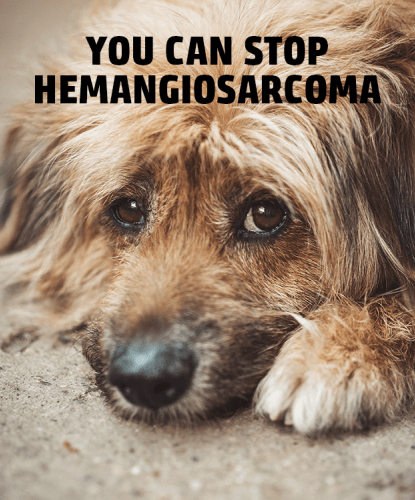


Updated August 26, 2026 – The search for a cure for hemangiosarcoma is moving faster than ever. Through the Hemangiosarcoma Initiative, a multiyear, multimillion-dollar commitment to advance prevention, detection, treatment, and potentially cures for this devastating cancer, Morris Animal Foundation has now funded 12 studies, with more on the way. The goal is to dramatically change the story of hemangiosarcoma from one with an ending of almost certain death to one with a new beginning.
Hemangiosarcoma has been on the Foundation’s radar for many years. This terrible cancer affects thousands of dogs each year and poses an emotional and financial burden for affected families. Hemangiosarcoma is a cancer of special interest in the Golden Retriever Lifetime Study. Initial data from this study revealed an unexpectedly high rate of hemangiosarcoma in our cohort, prompting the Foundation to take swift action.
At the same time, we were hearing heartbreaking stories from donors and supporters. It was clear the time had come to act — by finding new treatments, developing early diagnostic tests, and deepening our understanding of how this cancer arises and spreads.
Our scientific teams carefully considered which areas of research would offer the most promise for dogs, families, and veterinary professionals. We consulted with researchers, pet parents, and veterinarians, identifying urgent knowledge gaps.
As a result, studies were prioritized in:
Two calls for proposals, in 2022 and again in 2024, were sent to researchers around the world. We assembled expert geneticists, oncologists, surgeons, pathologists and cancer researchers to review and debate the merits of each proposal submitted. Ultimately, twelve projects were selected for funding.
What are the studies finding?
What’s Next?
Hemangiosarcoma research is accelerating and remains a top priority for future exploration. Early findings from our current studies are pointing toward new diagnostic targets and potential therapeutic pathways — from microRNA blood tests to urine biomarkers to cancer vaccines. The Foundation is preparing a third call for proposals to build on this momentum.
The dogs we love deserve better options than exist today. We're not done until they have them.
To learn more about hemangiosarcoma — including signs, symptoms, and stories from families affected by this disease — visit our hemangiosarcoma resources page.
Science to Save Animals Starts with YOU!
Innovative animal health research takes vision as well as financial investment. That’s why Morris Animal Foundation, with the generous support of our donors, continues to fund this important work to change the odds for animals suffering from diseases and painful health conditions. DONATE TODAY and support critical science to save the animals you love!
Q&A
What is hemangiosarcoma in dogs?
Hemangiosarcoma is an aggressive cancer of the blood vessel walls that affects thousands of dogs every year. It is particularly common in golden retrievers, German shepherds, and Labrador retrievers. Because tumors often grow silently until they rupture, causing acute internal bleeding, most dogs are not diagnosed until the cancer is advanced — which is why early detection research is so critical.
What breeds are most at risk for hemangiosarcoma?
Golden retrievers, German shepherds, and Labrador retrievers are among the breeds with the highest rates of hemangiosarcoma, but it can affect any breed. Data from the Golden Retriever Lifetime Study has been especially valuable in understanding how this cancer develops and spreads, and samples from the Study are actively being used in Foundation-funded research.
Is there a blood test or early diagnostic test for hemangiosarcoma in dogs?
There is currently no widely available early diagnostic test for hemangiosarcoma, but Morris Animal Foundation-funded researchers are actively working to change that. Current projects are exploring microRNA blood tests, urine biomarker screening, and even trained biodetection dogs as possible paths to an earlier, more accessible diagnosis.
What treatments are available for hemangiosarcoma in dogs?
Surgery and chemotherapy are the primary treatment options today, but outcomes remain poor. Foundation-funded researchers are pursuing new therapeutic approaches, including targeted chemotherapy using cell surface molecules specific to hemangiosarcoma, antibody-based treatments, cancer vaccines, and drug delivery via extracellular vesicles — all aimed at improving survival and quality of life for affected dogs.
How is Morris Animal Foundation funding hemangiosarcoma research?
The Foundation launched the Hemangiosarcoma Initiative in 2023 as a multiyear, multimillion-dollar commitment to advance prevention, detection, treatment, and potentially cures for this cancer. Through two calls for proposals — in 2022 and 2024 — twelve projects have been selected for funding, with a third call in preparation.