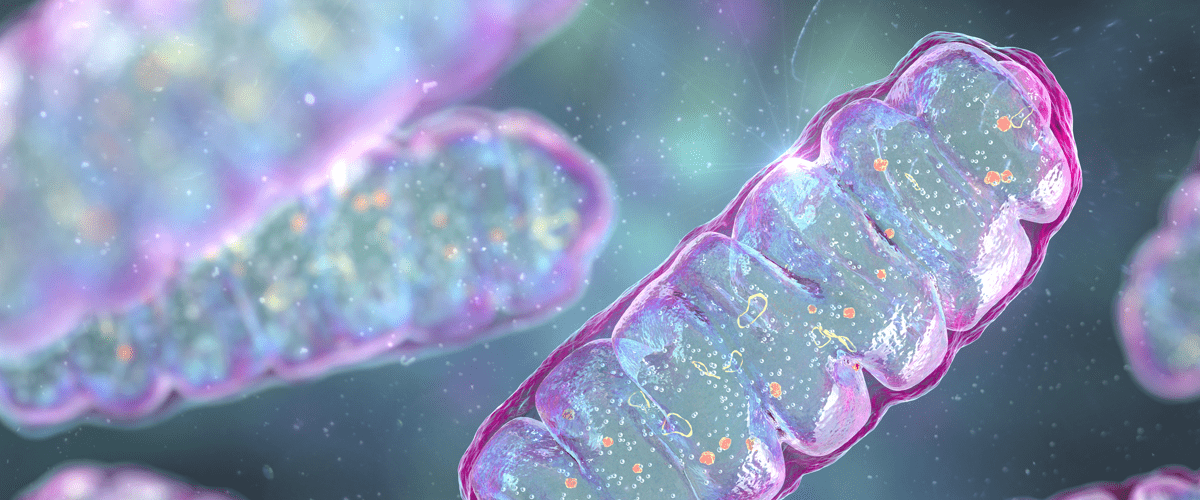

Mitochondria are tiny structures inside cells that convert nutrients and oxygen into energy (ATP). In pets and people, they power the heart, brain, muscles and other organs, regulate cell life and death, and play a key role in aging and disease. Supporting mitochondrial health through nutrition, exercise and preventive care may help pets live longer, healthier lives.
July 9, 2026 — Every heartbeat, thought, jump and wag of the tail depends on energy. Much of that energy comes from tiny structures inside our cells called mitochondria.
Mitochondria are often referred to as the “powerhouses” of the cell. Their main job is to turn nutrients from food and oxygen from breathing into usable energy. This energy powers almost everything in our (and our pets’) bodies.
What Do Mitochondria Do?
The energy made by mitochondria comes in a form called ATP, short for adenosine triphosphate. ATP acts as the cell's energy currency, storing and delivering energy wherever it's needed. When a cell needs to work, it uses ATP. When that supply runs low, mitochondria help make more. This process happens constantly, even during sleep.
To make ATP, mitochondria use oxygen and nutrients from food. Carbohydrates, fats and proteins are broken down into smaller pieces during digestion and cell metabolism. These pieces eventually reach the mitochondria, where they go through a series of chemical reactions. Oxygen plays a major role in this process.
Different parts of the body have different energy needs. Cells that work especially hard tend to have more mitochondria. For example, heart muscle cells are packed with mitochondria because the heart needs to continually beat to sustain life. Muscle cells also need many mitochondria, especially during exercise. Brain cells use a lot of energy too, even during rest, because the brain is constantly sending signals, processing information and controlling body functions.
Where Did Mitochondria Come From?
One of the most fascinating things about mitochondria is that they have their own DNA. Most of your DNA is stored in the nucleus of your cells, but mitochondria carry a small amount of their own genetic material. This mitochondrial DNA contains instructions for some of the parts mitochondria need to function.
Mitochondrial DNA is inherited mostly from the mother. This means that your mitochondria come largely from the egg cell that helped form you. Scientists can use mitochondrial DNA to study family history, ancestry and how populations have moved over time. Because mitochondrial DNA changes slowly across generations, it can act like a biological record of maternal ancestry.
Mitochondria are unusual in another way: scientists believe they were once free-living bacteria. According to a widely accepted idea called the endosymbiotic theory, a long time ago, a larger cell swallowed a smaller bacterium. Instead of being destroyed, the bacterium stayed inside and formed a partnership with the larger cell. The bacterium helped make energy, and the larger cell provided protection and nutrients. Over millions of years, that partnership became permanent, and the bacteria-like organism evolved into the mitochondria found in our cells today.
What Other Roles Do Mitochondria Play Besides Energy Production?
Mitochondria do much more than make energy. They also help control the life and death of cells. This may sound odd but it’s important – old and damaged cells (and abnormal cells such as cancer cells) need to be removed in a controlled way. Mitochondria help start this process, which allows the body to replace damaged cells and maintain healthy tissues.
Mitochondria are important for pets and people of every age. In the young, they help support growth, development and learning. In active adults, they help fuel movement and endurance. In seniors, healthy mitochondria help support strength, organ function and overall quality of life. Although no single part of the body controls aging by itself, mitochondria are now recognized as important players in the aging process.
When mitochondria are not working well, the effects can show up in many ways. Since the heart, brain, muscles, liver and kidneys all need a lot of energy, problems with mitochondria can affect these organs. Signs may include weakness, tiredness, exercise intolerance, poor growth, seizures, heart problems, vision issues, trouble walking or unexplained illness. These signs can have many causes, but they show why energy production is so important to overall health.
Diseases can affect mitochondria as well. For example, pets with heart disease, diabetes, kidney disease, cancer or neurologic conditions may experience changes in how their cells use energy. Researchers are studying how mitochondrial function may influence these diseases and whether better understanding mitochondria could lead to new ways to diagnose, manage or treat illness in animals.
Aging is another area where mitochondria matter. As animals grow older, their mitochondria may become less efficient. They may produce less energy and more waste products. One group of these waste products is called reactive oxygen species. These molecules are made naturally during energy production. In small amounts, they are part of normal cell activity. But when too many build up, they can contribute to cell damage, sometimes called oxidative stress.
However, mitochondria are just a piece in the aging puzzle — it is complex, and many body systems are involved. While aging can't be stopped, maintaining healthy cells may help support mobility, comfort and overall well-being later in life.
How Can You Support Mitochondrial Health in Pets?
Nutrition plays an important role in mitochondrial health. Mitochondria need fuel and nutrients to do their work. A complete and balanced diet provides the protein, fats, carbohydrates, vitamins and minerals pets need for normal energy production. The best diet depends on the animal’s species, age, size, activity level and health conditions. A growing kitten, a senior dog with kidney disease and a performance horse all have different nutritional needs. Your veterinarian can help guide diet choices, especially if your pet has a medical condition.
Exercise also supports mitochondria. Regular, appropriate activity encourages muscle cells to use energy efficiently. In many animals, movement helps maintain muscle strength, healthy weight, circulation and mental stimulation. For dogs, this may mean walks, playtime, swimming or structured exercise. For cats, it may mean climbing, chasing toys, puzzle feeders or short play sessions. For horses, it may mean turnout, groundwork or a training plan matched to their fitness level.
The key is that exercise should fit the individual animal. A young, healthy dog may enjoy long hikes, while an older dog with arthritis may do better with short, gentle walks. A cat that has been inactive may need gradual encouragement. Pets with heart, breathing, joint or neurologic problems should not begin a new exercise routine without veterinary guidance.
Finally, good sleep and rest matter too. Animals need downtime for repair and recovery. Constant stress, pain, poor nutrition, obesity, toxins and chronic disease can all place extra strain on the body. These stresses may affect many parts of cell function, including mitochondria. Helping pets maintain a healthy weight, providing enrichment, managing pain and keeping up with preventive care all support long-term health.
What is Morris Animal Foundation Learning About Mitochondria?
The Foundation funded its first mitochondria-focused grant in 1998. Since then, ten additional studies have looked at the various roles mitochondria play in animal health, including hemangiosarcoma and glaucoma in dogs, high-altitude adaptations in horses and resistance to disease in cats. We’re just scratching the surface of how mitochondria influence disease — and how they might one day be used to treat it. While we have a lot to learn, we’re excited about what mighty mitochondria could do to improve the well-being of the animals we love!
Key Takeaways
Frequently Asked Questions About Mitochondria
What are mitochondria in simple terms? Mitochondria are tiny structures inside cells that turn food and oxygen into energy.
Do animals have mitochondria? Yes. All animals — dogs, cats, horses, wildlife and humans — have mitochondria in nearly every cell.
What foods support mitochondrial health in pets? A complete, balanced diet appropriate for the pet's species, age and activity level provides the nutrients mitochondria need. Your veterinarian can recommend the best option.
Can mitochondrial problems cause disease in pets? Yes. Because mitochondria power high-energy organs like the heart, brain and muscles, dysfunction can contribute to weakness, exercise intolerance, seizures and other health issues.
Why is mitochondrial DNA inherited from the mother? During fertilization, mitochondria in the sperm are typically destroyed, so nearly all mitochondrial DNA comes from the egg cell.